
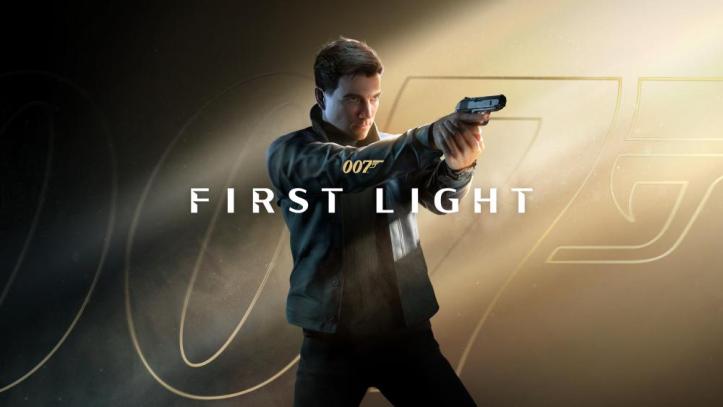
James Bond is finally back in video games with 007 First Light. Developed and published by IO Interactive—the studio behind the recent Hitman games—this is a third-person action-adventure built on their own Glacier engine. Instead of repeating old movie plots or copying a specific actor’s era, it gives players a completely new story set in the modern day. The game structure shifts between heavy action set-pieces and slower, more methodical espionage. You are dropped into massive international locations that act like tactical sandboxes, giving you the freedom to choose how you want to handle each objective. Whether you prefer slipping through security undetected using high-tech gadgets or getting into aggressive cover-based firefights when things go wrong, the game is built to support both play styles smoothly.

STORY
To ensure your experience remains untainted, this section is completely spoiler-free, meaning details about the specific narrative beats and plot twists will be scarce here. Rather than adapting an existing movie or book, the game delivers an entirely original, contemporary narrative that strips away the seasoned, untouchable icon we know and introduces us to a vulnerable, unproven James Bond. At just 26 years old, Bond is a raw MI6 field operative who hasn’t yet acquired his famous cold detachment—or his double-O prefix. However, having fully played through and finished the campaign, I can confidently tell you that the story is excellent. It delivers a gripping narrative that is absolutely packed with high-octane action, deep-seated espionage intrigue, and that typical, unmistakable Bond charm he has with the ladies, making it a stellar ride from start to finish.
PRESENTATION
When it comes to the presentation, the game is a stunning experience that clearly benefits from the studio’s history with large-scale environments. The graphics engine handles everything smoothly, delivering sharp textures, excellent lighting, and a level of detail that makes every location feel alive. The level design is a major highlight. Instead of throwing you down tight, linear corridors, the game drops you into massive, intricate spaces like high-end casinos, sun-drenched coastal estates, and sleek, high-tech enemy compounds. Each area is packed with multiple pathways, hidden vents, and crowded rooms, making the environments feel like real places rather than just video game levels.
The cutscenes deserve a lot of credit because they handle transitions perfectly. Instead of breaking your immersion, they feel like a natural extension of the gameplay. They are beautifully directed, using cinematic camera angles and sharp pacing that smoothly bridge the gap between you exploring a level and the next major story beat. Because the character models and facial animations are so detailed, the cutscenes manage to build tension and develop the characters without ever feeling like a chore to sit through. They are snappy and focused, giving you just enough narrative context and cinematic flair before seamlessly dropping you right back into the action. They add a lot of weight to the overall experience without ever taking control away for too long or ruining the game’s momentum. The major action set pieces are integrated naturally into the levels without taking control away from the player. Instead of relying on constant quick-time events, the cinematic moments—like escaping a collapsing building or executing a high-speed vehicle chase—happen right within the gameplay. Combine that with a crisp audio design that balances a classic, brass-heavy spy score with the punchy, realistic sound of silenced gunfire, and the game does an incredible job of making you feel like you are playing through a high-budget espionage thriller.
GAMEPLAY
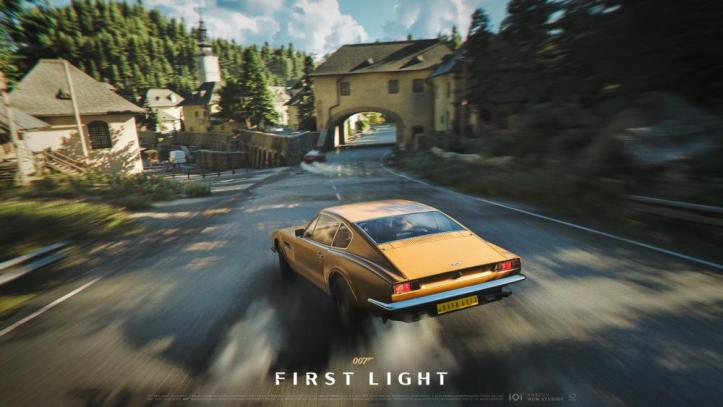
Because the game is developed by the team behind Hitman, you might expect it to play exactly like a classic Agent 47 simulator. However, they have built something distinctly tailored to the James Bond fantasy. The gameplay balances careful infiltration, a heavy emphasis on hand-to-hand brawling, and a unique approach to gunplay that forces you to act like a disciplined agent rather than a typical action hero. Stealth is the foundation of the game, borrowing heavily from distraction-and-sneak mechanics, but with a faster pace. Instead of just hiding in closets, Bond blends into high-society crowds, pickpockets targets for keycards, and eavesdrops on conversations to gather intel. Your biggest asset is the Instinct Meter, which you fill by doing spy work like silently taking down guards or finding hidden intel. You can spend these points to trigger a slow-motion focus mechanic or to use a unique bluff feature. If a low-level henchman catches you out of position, you can actually use Bond’s charm to talk your way out of trouble—though this won’t work on high-level security guards who can see through basic disguises.
You can’t have a Bond game without Q-Branch. Your primary tool is the watch, used to scan the environment, hack security tech, and fire a laser to stun enemies from afar. You also get access to classic items like a missile pen. Interestingly, the developers balance these powerful tools by making them consumable. To keep your tech running, you have to actively scavenge the levels for resources—like harvesting battery power from loose smartphones or collecting chemicals from environmental items to replenish your gear. When things get messy, Bond proves to be a far more capable brawler than a typical stealth protagonist. The hand-to-hand combat system is layered, featuring an array of blocks, counters, and brutal environmental takedowns like smashing an enemy into a nearby bar counter.
The gunplay features the game’s most fascinating design choice: you cannot just pull out a gun and shoot whenever you want. Because this is an origin story about a raw recruit, the game restricts firearm use to a literal Licence to Kill mechanic. By default, Bond keeps his weapon holstered and is limited to non-lethal melee takedowns. A firearm can only be drawn and fired once an enemy actively escalates the situation by pulling a gun on you or opening fire. Once you eliminate the immediate lethal threats and clear the firefight, Bond automatically holsters his weapon, allowing you to transition smoothly back into a non-lethal stealth approach. If you get spotted, a brief window opens to target guards who are radioing for backup. Taking them out quickly stops reinforcements and lets you salvage your stealth run before the entire map goes into lockdown.
REPLAY VALUE
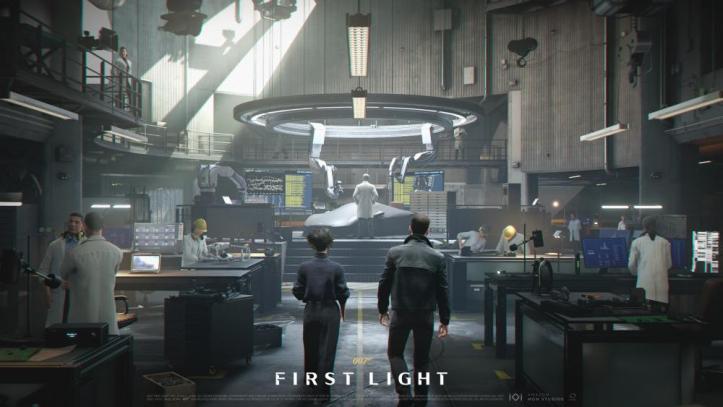
Once you wrap up the main story, the replay value comes down to how much you enjoy mastering the game’s open-ended levels. Because the core narrative follows a set path, going back to completed missions is all about pushing yourself to handle objectives differently. The game includes a ton of built-in challenges that force you to change your playstyle—like trying to clear an entire high-security compound without knocking out a single guard, or seeing how long you can survive purely on hand-to-hand brawling. There are also hidden collectibles scattered across the globe if you’re the type of player who likes to see 100% completion on your save file.
Outside of the campaign, the main draw is Tactical Simulation Mode.
This mode completely strips away the story and breaks down the game’s massive environments into fast-paced, arcade-style challenges. It gives you two main ways to play:
- Escalations: These are multi-stage missions where the rules get progressively harder every time you win. For example, the first run might just ask you to steal a laptop, but the next run will add an airtight timer, and the final run will flood the area with heavily armored guards who can instantly spot your disguise.
- Operations: These are standalone maps with random gameplay modifiers thrown in to mess with you. One mission might disable your watch’s hacking ability, while another might make enemies hyper-aggressive the moment a gun is drawn.
Playing through these simulations earns you points that you can spend at a central hub terminal to unlock better gear, upgrade your gadgets, or grab classic James Bond suits. It’s a great, straightforward sandbox for testing your reflexes and competing on the global leaderboards once you’ve finished the main ride.
FINAL THOUGHTS
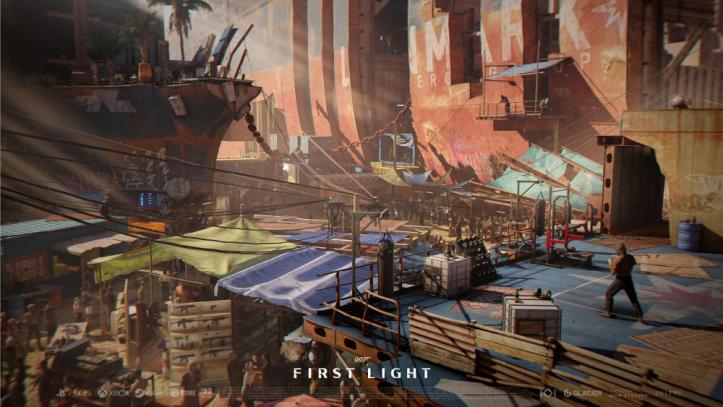
007 First Light is a triumphant return for James Bond, successfully modernizing the franchise while staying completely faithful to what makes it iconic. By treating the game as a gritty, ground-up origin story, the developers have crafted a version of Bond that feels human, vulnerable, and exciting to play. It perfectly balances tension and action, delivering a spy experience that relies just as much on your patience and tactical wits as it does on your trigger finger.
The game isn’t entirely perfect; the story itself follows a strictly linear path with zero narrative choices, and the extra tactical simulation modes can start to feel a bit barebones and repetitive after a few hours. However, the incredible level design, fluid cutscene transitions, and the brilliant tension of the “Licence to Kill” mechanic far outweigh those minor gripes. It easily delivers the best Bond game in decades, making it an absolute must-play for fans of espionage and high-stakes action.

